
Female health
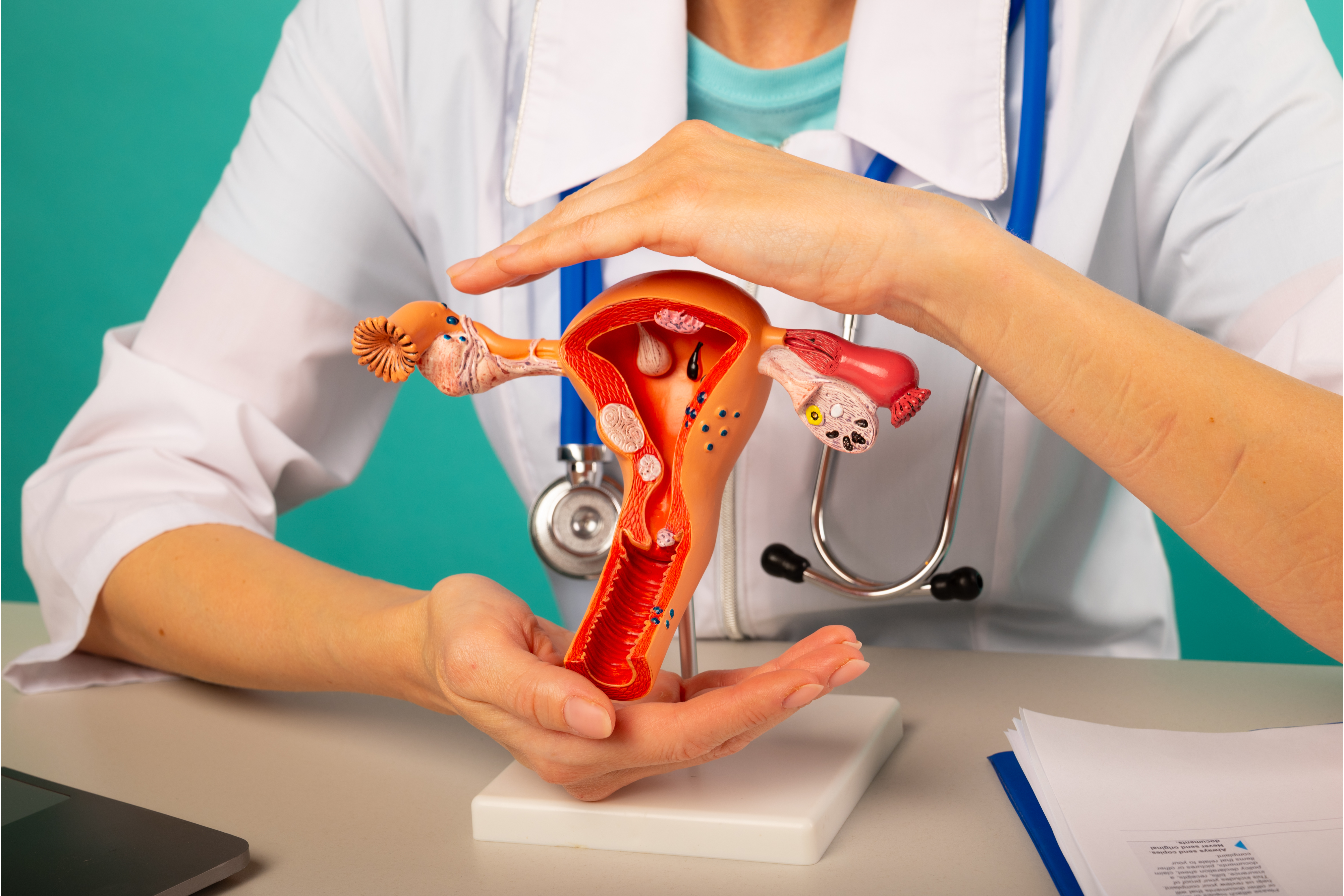
Uterine fibroid is characterized by abnormal muscular growth from inside or outside the wall of uterus. It can develop during child bearing age of women. Fibroid are typically benign or noncancerous. According to world health organization report many women have uterine fibroids. But you might not know you have them, because most people they don’t have any symptoms. Fibroid may be single or clusture.
Fibroid are also known as
- uterine fibroids
- leiomyomas
- fibromas
- myomas
- uterine myomas
Cause the main cause of fibroid is not known. It may be because of obesity, family history of fibroid, vitamin D deficiency, drinking alcohole particularly beer, smoking, stress, lack of exercise. Higher estrogen and progesterone harmons are responsible to for fibroid grow
Types of uterine fibroid
There are different types of uterine fibroids depending on where they’re located
- Intramural fibroid – An intramural fibroid is a noncancerous tumor that grows between the muscles of the uterus or the myometrium.Following are the types of intramural fibroid
- anterior intramural fibroid,
- posterior intramural fibroid,
- fundal intramural fibroid,
- Subserosal fibroids .- Subserosal fibroids grows outside the uterus below the serosa. subserosal fibroids are noncancerous.
- Submucosal fibroids: – submucosal fibroid grow towards the mucasa of uterus inside the uterus. They are noncanserus. Some submucosal or subserosal fibroids may be hang from a stalk.
- Pedunculated fibroids –
Symptoms
Some common symptoms of uterine fibroid are
- heavy menstrual bleeding during period
- bleeding between period
- pelvic region, lower back pain
- periods gose for long days
- pain during sex
- wants to urinate frequently
- constipation
Diagnosis
The following are some diagnostic test can help to rule out fibroid.
- Ultrasound scaning – Ultrasonography helps to detect fibroid.
- MRI SCAN – MRI scanning detect the size and number of fibroids
- Hysteroscopy – During a hysteroscopy, a doctor will use a small device with a camera attached to the end to examine the inside of the uterus. They will insert the device through the vagina and into the uterus via the cervix. If necessary, they may also take a tissue sample, known as a biopsy, to look for cancer cells.
- Laparoscopy –
Prevention
Fibroid can not be prevented but some healthy lifestyle we can reduce the chance formation of fibroid.
- body load up with fresh fruits and vegetables – in recent study shows that if we it plenty of seasonal fruits and vegetable could lower the chance of uterine fibroid. Eat more fibrod fightning fruits like apple tomato, orange, grapefruit, broccoli
- stress – stress make important roll to develop fibroid. So please stay healthy by changing lifestyle or medication.
- High blood pressure – high blood pressure and fibroid are both are correlated with each other. Maintain your blood pressure by practicing yoga, medication
- sugar -.cut the sugar from your diet. Some study shows that high sugar intake getting the chance of fibroid.
- Exercise .-.practicing regular exercise reduce your chances of having them.
Treatment
Many fibroid they do not cause any symptoms so they do not require any treatment.
Various medical treatment depends upon location and sevearity of symptoms.

