
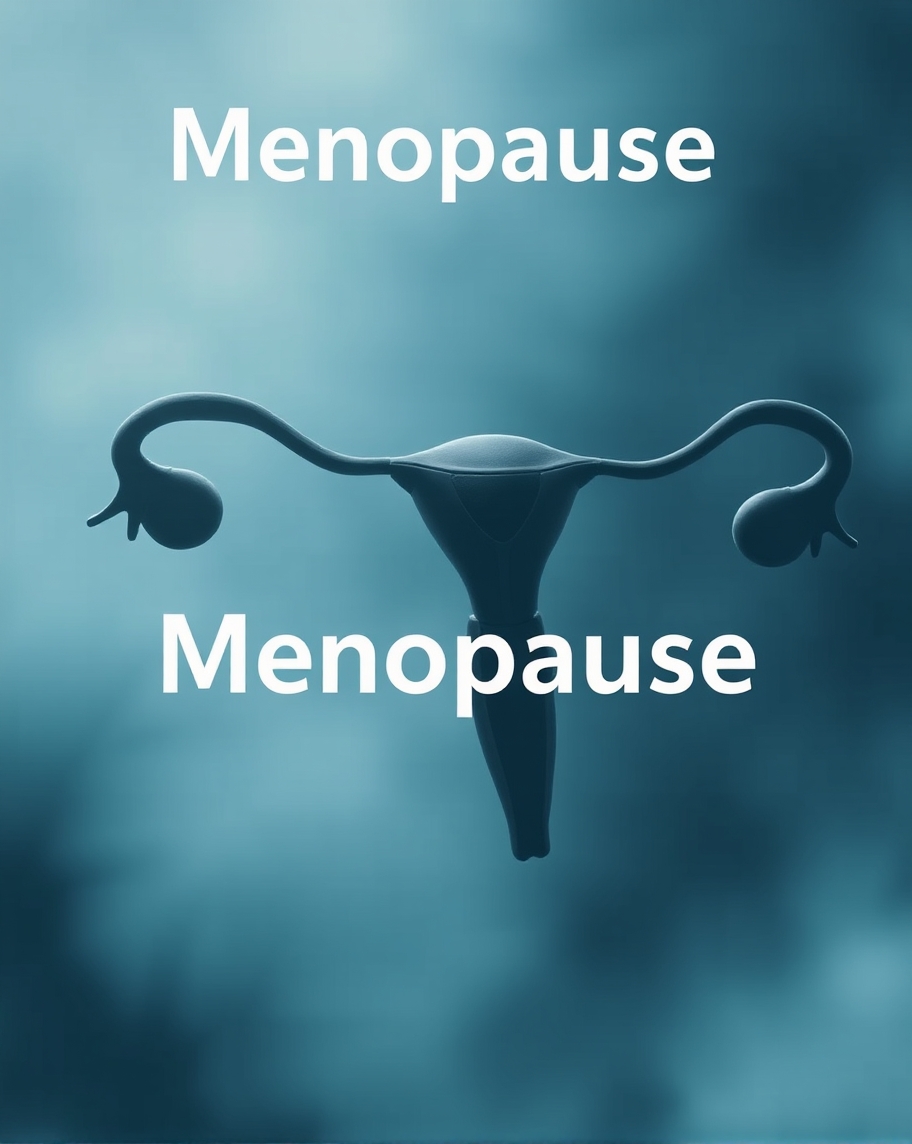
Menopause
Menopause is a natural biological process characterized by the decline in ovarian function and the gradual reduction of estrogen and progesterone production. This hormonal shift leads to the cessation of menstrual periods and marks the beginning of the postmenopausal phase. It typically occurs in the late 40s to early 50s, though the exact timing can vary widely among individuals
Menopause symptoms can vary widely among women. some women may experience more severe symptoms that affect their daily lives Common symptoms include night sweats, mood swings, hot flashes, changes in sleep patterns, vaginal dryness, pain during sex and sometimes cognitive changes.
These symptoms can impact quality of life and vary in severity from person to person. Seeking medical advice is important for managing these symptoms and addressing any health concerns that may arise during this transition. Treatment options range from lifestyle adjustments and natural remedies to hormone therapy, depending on individual circumstances
Causes
- Menopause, is a natural phase of aging, is influenced by hormonal changes.”
- But some time because of While stress and lifestyle factors can impact overall health and potentially exacerbate symptoms, there isn’t strong evidence suggesting that a faster-paced lifestyle directly causes menopause to occur earlier
- Factors like genetics, overall health, previous reproductive health history and certain medical conditions, natural aging processcan play a more significant role in the timing of menopause.
Symptoms
Mood Regulation
In menopause emotional changes are common .it is because of hormonal fluctuations, particularly the decline in estrogen levels. Estrogen plays a role in regulating neurotransmitters like serotonin and norepinephrine, which are linked to mood regulation. As estrogen levels decline during menopause, these neurotransmitters may fluctuate, leading to mood swings, irritability, and anxiety, depression
Mood changes in menopause stem from hormonal shifts, particularly declining estrogen affecting neurotransmitters like serotonin and norepinephrine, leading to irritability, mood swings, anxiety, and sometimes depression.
Stress Response: Estrogen also plays a role in regulating the body’s stress response. When estrogen levels decline, the body may become more sensitive to stress, leading to increased feelings of anxiety. Cognitive Function: Some women report cognitive changes, such as memory lapses or difficulties in concentration, during menopause. These changes can also be linked to hormonal fluctuations and can contribute to feelings of frustration or anxiety.
Irregular menses
Irregular menstrual cycles are common during the menopausal transition. In perimenopause, cycles can become shorter, longer, lighter, or heavier due to fluctuating reproductive hormones. As menopause approaches, periods may become increasingly irregular, with longer intervals or skipped periods, as the ovaries stop releasing eggs. Causes include declining estrogen, hormonal imbalances, and changes in ovarian function. While irregular menses are often a normal part of this transition,
Hot flushes
Hot flushes during menopause are sudden waves of heat, often causing sweating and a rapid heartbeat, red patches on skin. They vary in intensity and frequency among women, triggered by hormone fluctuations, especially estrogen decline.
Understanding menopause as a normal phase of life helps women navigate this transition with greater ease and empowerment, making informed choices about their health and well-being. Triggers include stress, caffeine, alcohol, spicy foods, and hot environments, disrupting sleep and daily life. We manage this problem by lifestyle changes such as layering clothing, cooling techniques, avoiding triggers, and stress reduction through techniques like yoga.
Management Strategies:
1. Lifestyle Modifications
- Regular Exercise: Helps regulate mood and reduce stress.
- Healthy Diet: Ensures proper nutrition that can help stabilize mood.
- Stress Management Techniques: Practices like yoga, meditation, and mindfulness can be beneficial.
- Good Sleep Hygiene: Establishing a regular sleep routine and creating a restful environment.
2. Hormone replacement therapy (HRT) or other medications may be recommended by healthcare providers to help manage severe symptoms.

